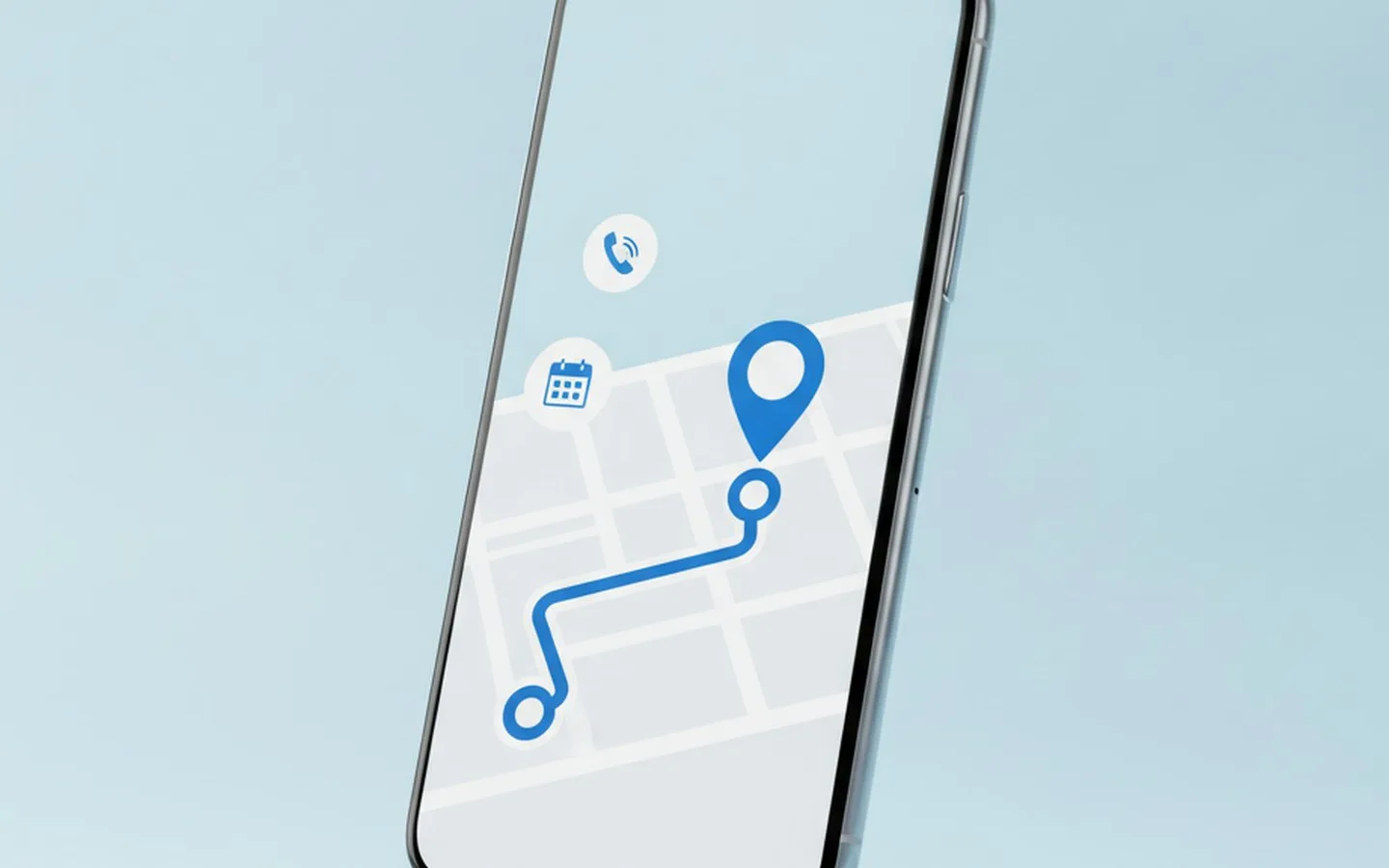
Google pushed a sizable upgrade to its Gemini-powered "Ask Maps" feature on November 16, 2026. Users can now ask Maps to build a multi-day trip itinerary, with numbered pins marking each stop in order and an option to export the plan to Google Docs, plus real-time advice on parking and weather along the way. The part that reaches well past travel: a new AI agent that can call local businesses directly to check whether they have an open appointment slot or table, and can scan a user's saved lists to flag what's actually available right now.
For most readers this reads as a travel upgrade. But if your business takes appointments, bookings, or reservations, the detail that matters isn't the itinerary, it's that Maps' AI agent now initiates contact with businesses on a customer's behalf and expects a usable answer back. An agent that already calls businesses as routine Maps behavior will get further with a system that can confirm availability instantly than with one where a human has to pick up the phone during business hours. That's exactly the gap a custom Android app with real booking data is built to close, instead of leaving availability locked inside a phone line an AI agent, or a customer, has to wait on.
The rollout itself is staggered. Itinerary building and saved-list search are going out to more than 200 countries. The two features tied directly to businesses, pre-trip alerts and the AI reservation-lookup calling, are launching in the US first, which is typical for Google's feature rollouts before they expand further.
What Google just added to Maps
- Multi-day itineraries. Ask Maps can now lay out a full trip across several days, with numbered pins showing the order of stops and a one-tap export to Google Docs.
- AI calls to businesses. The agent can phone a local business to check for an open appointment or reservation, and can cross-check a user's saved lists against real-time availability.
- Route-level advice. Parking suggestions, weather updates, and other real-time details surface automatically as the itinerary plays out.
- Staged geography. Itineraries and saved-list search: 200+ countries. Pre-trip alerts and reservation-lookup calling: US first.

Why this matters beyond travel
Treat this as a precedent, not a travel footnote. Maps' AI agent isn't just reading a business listing anymore, it's acting as a customer: placing a call, asking a question, and relaying an answer back to a person. That's the same shape of interaction OpenAI, Perplexity, and Microsoft have been building into their own agents, just aimed at a different everyday task. Businesses that can't answer that kind of automated request well don't get skipped quietly; they get a worse answer passed back to the user, who goes elsewhere.
Is your Android app ready for AI-driven booking requests?
A few questions worth answering honestly before an AI agent comes calling on your behalf:
- Does your booking or appointment data live somewhere other than a phone line or a single receptionist's calendar?
- Could a request for "do you have availability Tuesday at 3pm" be answered by your system without a human checking manually?
- If your app already has a booking flow, does it expose that availability through an API, webhook, or structured feed an outside system could query?
If the honest answer to most of these is no, that's not a failure specific to Maps, it's a gap that shows up every time a new AI agent starts interacting with businesses this way, and that list is only getting longer.
What small businesses can do now
- Keep your Google Business Profile hours and availability current. It's the simplest data source an AI agent checks first, and it costs nothing to keep accurate.
- Look at whether your booking system can expose availability programmatically. A booking API or structured feed beats a phone number being the only way in.
- Talk to whoever builds your app about readiness, not just features. "Can an outside system check our availability automatically" is a different question than "does our app have a booking button," and it's worth asking directly.
FAQ
Does this replace my booking app?
No. Google Maps' AI agent checks availability and relays what it finds; it doesn't run your booking system, hold a calendar for you, or take payment. If your business only has a phone number for Maps to call, a human still has to answer and manually check a calendar. A connected booking system is what lets that check happen instantly instead of during business hours only.
Is this feature live everywhere yet?
Partly. Multi-day itineraries and list search are rolling out to more than 200 countries. Pre-trip alerts and the AI reservation-lookup calling feature are launching in the US first, with other markets expected to follow on Google's usual staged rollout schedule.
Sources: TechCrunch, 9to5Google. For informational purposes only. Found an error? Let the editors know via the contact page.