
On November 10, 2026, OpenAI began rolling out a beta of Businesses in ChatGPT: a Business Hub where companies claim a verified profile, manage a product feed, and see engagement insights, plus Business Agents — conversational agents that answer a shopper's questions about what the business sells, right inside a ChatGPT conversation. The feature is initially limited to eligible e-commerce and online-service businesses in the United States, and Shopify merchants can connect their store directly from Business Hub or the Shopify admin, as Quartz reported the same week.
Claiming a profile and turning on a Business Agent is, by design, meant to be self-serve. Getting that agent to actually answer well — correct pricing, correct policies, no invented details, and access to the product data that matters — is a different kind of work. That gap is exactly where businesses end up needing someone who can add LLM features to your product properly: wiring the agent to real inventory and support data, writing the guardrails that keep it from guessing, and testing it against the questions customers actually ask, rather than the ones a demo happens to cover.
What Business Hub and Business Agents Actually Do
Business Hub is the administrative half of the launch. A business claims its profile, fills in details, uploads or syncs a product feed, and gets engagement insights showing how people are interacting with its listing inside ChatGPT. None of that requires a developer — it's built as a self-serve dashboard, similar in spirit to claiming a listing on a maps or review platform.
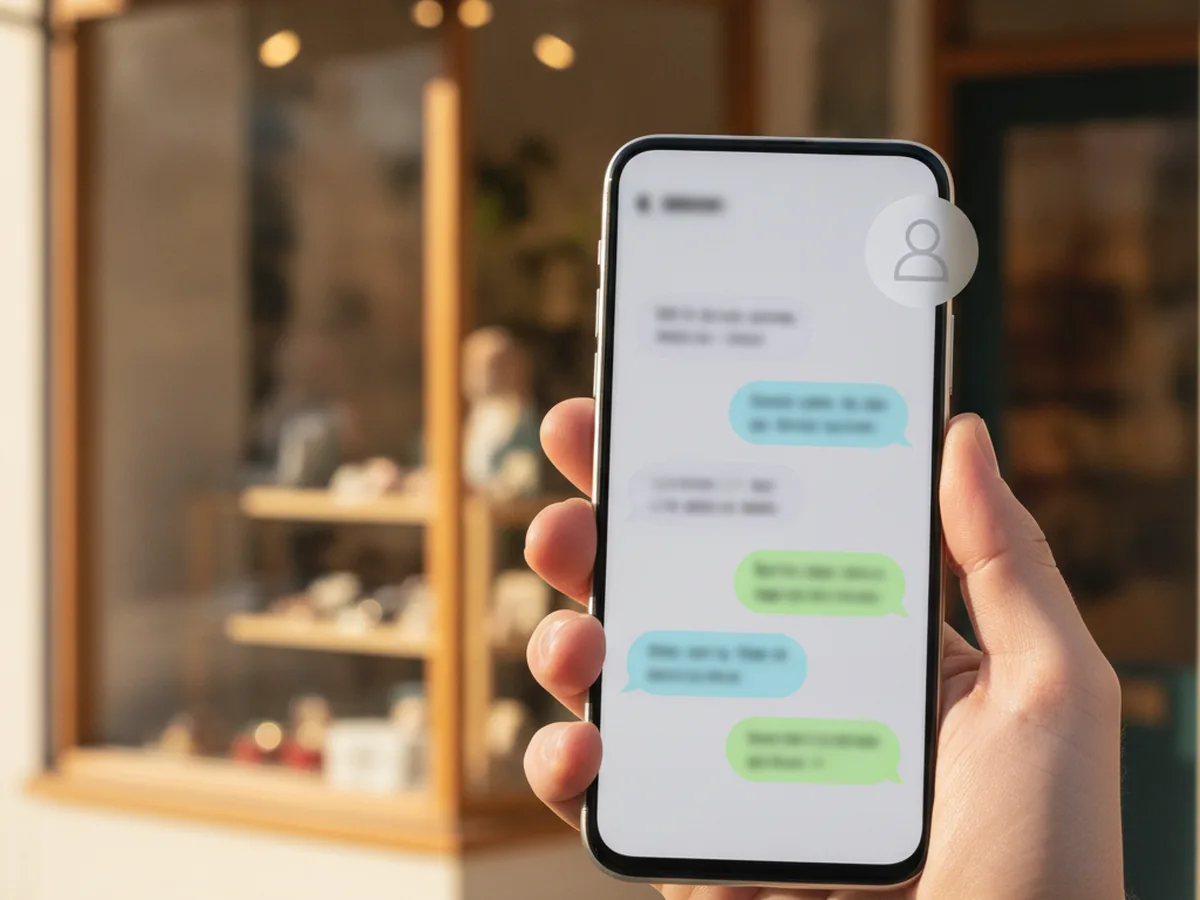
Business Agents are the conversational half. When a Business Agent is enabled, it can answer a user's questions about what the business offers — hours, product details, service areas, that kind of thing — without the business needing to build its own chatbot from scratch. OpenAI has been explicit that the exchange is clearly labeled as coming from the Business Agent and is kept separate from both the user's own ChatGPT conversation and from ChatGPT's own answers, so a shopper always knows which voice they're hearing from.
Eligibility at launch is narrow on purpose: US-based e-commerce and online-service businesses only, with a direct, lower-friction path for Shopify merchants who can connect a store from either Business Hub or their existing Shopify admin. OpenAI has said the plan is to expand to more markets and more business categories over time, and that businesses will also be able to sponsor a Business Agent as a ChatGPT Ads placement — folding this into the same advertising surface OpenAI has been building out around ChatGPT.
Why This Matters Even Before Your Business Is Eligible
OpenAI has said ChatGPT reaches roughly 1.2 billion people a week. That's the real reason this launch is worth paying attention to even if your business isn't in the US e-commerce or online-service categories eligible today: being discoverable and directly answerable inside a surface that size is a new kind of visibility channel, not unlike how claiming and optimizing a Google Business Profile became table stakes for local search over the past decade. The businesses that understand the mechanics early tend to be in better shape when eligibility opens up to their category or market.
There's also a trust detail worth noting for anyone wary of AI agents handling customer conversations: OpenAI says a user's own ChatGPT conversation and any Business Agent exchange are not shared with the business. The business sees engagement insights through Business Hub, but not the underlying private chats users have with ChatGPT itself. That separation is part of why the feature is positioned as an extension of ChatGPT's own answer flow rather than a backdoor into user conversations.
The Gap Between "Claim a Profile" and "Answer Well"
Here's the part that's easy to miss in the excitement over a new distribution channel: claiming a Business Hub profile and switching on a product feed is a form-filling exercise. It gives the Business Agent raw data to draw from, but it doesn't guarantee the agent uses that data correctly, stays within scope, or avoids the kind of confident, wrong answer that LLMs are known to produce when a question falls outside what they were actually given.
A Business Agent that misquotes a return policy, invents a shipping timeline, or confidently answers a pricing question with stale numbers doesn't just fail to help — it actively damages trust in a channel the business didn't fully control. Closing that gap is a scoped integration job: deciding exactly what data sources the agent can draw from, building guardrails so it declines or escalates questions it shouldn't guess at, and testing it against real customer questions before it's live in front of a billion-person audience. That's the work a dedicated GenAI integration team is set up to do — the self-serve dashboard gets a business to "live," not to "reliable."
What Small Businesses Should Do Now
You don't need to be eligible today to start preparing. A few concrete steps make sense whether your category opens up next month or next year:
- Audit the questions customers already ask. Pull the most common support tickets, DMs, and phone questions — that's the real test set a Business Agent will eventually face, not a hypothetical FAQ.
- Decide what data the agent would actually need. Product catalog, current policies, inventory status, service-area details — list what's accurate and current enough to hand to an AI agent, and what isn't yet.
- Plan for monitoring, not just launch. An agent answering customers in public needs a way to catch and correct bad answers quickly, not just a one-time setup and walk away.
- Watch for expansion to your market or category. OpenAI has signaled wider rollout is coming; knowing the mechanics now means less scrambling when your business becomes eligible.
FAQ
When did OpenAI launch Business Agents in ChatGPT?
OpenAI introduced Businesses in ChatGPT, including Business Hub and Business Agents, in beta starting November 10, 2026.
Which businesses can use Business Agents right now?
The beta is initially limited to eligible e-commerce and online-service businesses in the United States. Shopify merchants can connect their store directly from Business Hub or the Shopify admin. OpenAI has said it plans to expand to more markets and business categories over time.
Does OpenAI share my conversations with the businesses I talk to?
No. OpenAI says a user's own ChatGPT conversation and any Business Agent chat are not shared with the business, and the Business Agent exchange is clearly labeled and kept separate from both the user's original conversation and ChatGPT's own answers.
Is claiming a Business Hub profile the same as having a good AI agent?
No. Claiming a profile and uploading a product feed through Business Hub is self-serve, but it only gives the agent raw data to work from. Making the agent answer accurately, stay on-brand, and handle real customer questions without hallucinating details is a separate integration task — the kind of work a dedicated GenAI integration team handles.
This article is for informational purposes only and does not replace professional advice. Found an error? Let the editors know via the contact page.