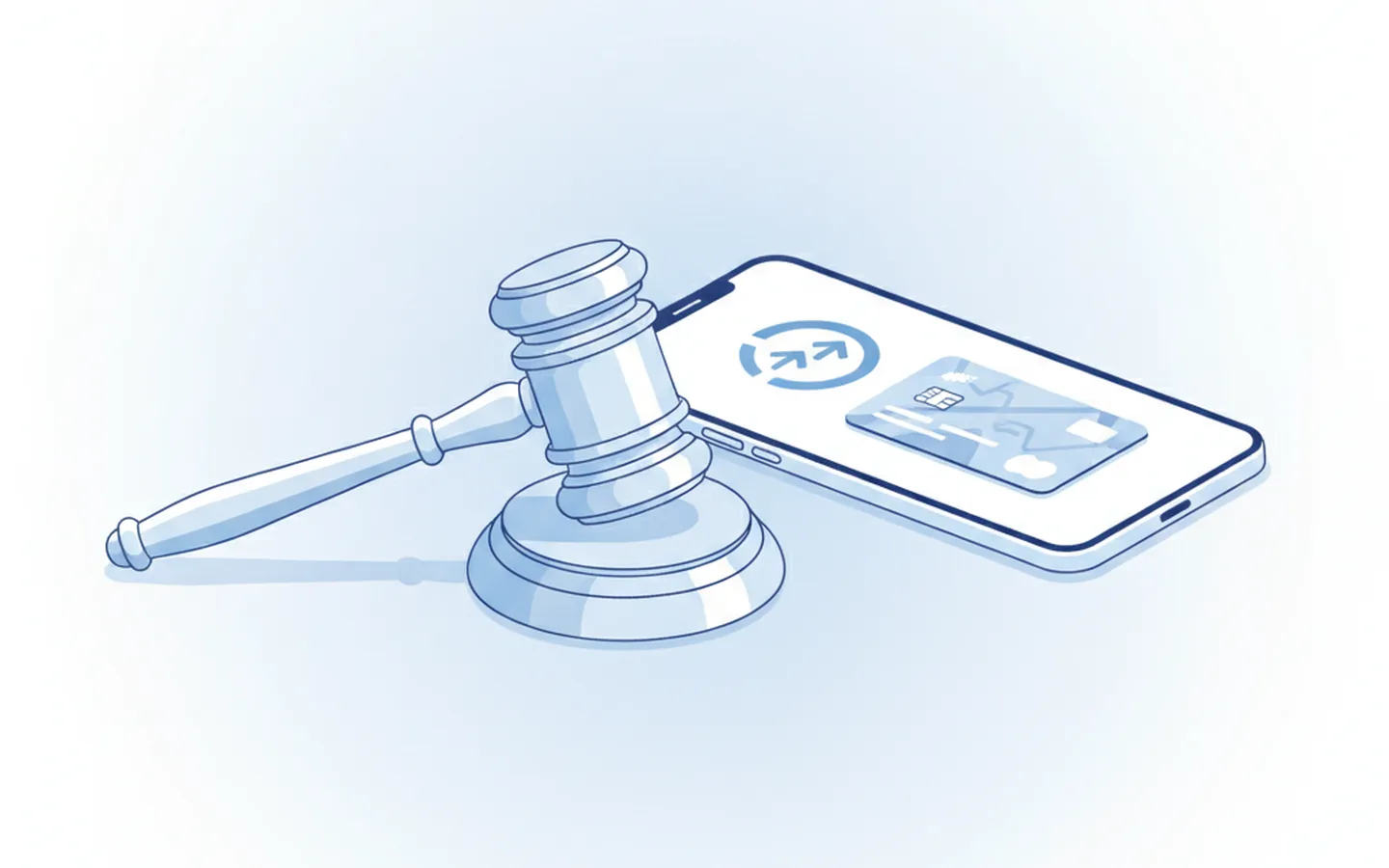
Epic Games asked the US Supreme Court on November 13, 2026, to uphold a contempt finding against Apple and let a lower court's injunction stand. Epic argues Apple's 27% fee on external payment links is a deliberate attempt to preserve old App Store economics while technically complying with the order, following the letter of the ruling, Epic says, without honoring its spirit. The Court will decide whether to hear Apple's appeal on January 11, 2027; Apple's final response is due December 14, 2026.
For most readers, this is another round in a years-long fight between two giants. But if your business sells subscriptions or digital goods through an iOS app, the takeaway isn't who wins: payment rules on Apple's platform have shifted unpredictably for three years, and that won't stop here. Working with a mobile development partner that has handled these shifts before means you're not relearning App Store payment rules every time Apple or a court changes them.
What Epic just told the Supreme Court
Epic's brief asks the justices to deny Apple's petition and leave the existing contempt ruling intact. Per 9to5Mac and AppleInsider, Epic argues Apple is treating external payment links as technically permitted but commercially unattractive through its fee structure: bad-faith compliance that doesn't break the injunction's text but undermines the outcome it was meant to produce.
Apple must file its final reply by December 14, 2026. The justices will discuss whether to grant certiorari (hear the case at all) at a conference on January 11, 2027. If the Court declines, the injunction and contempt finding stand; if it agrees to hear the case, a full ruling would take months longer.
The 27% fee at the center of the fight
After the original injunction forced Apple to allow developers to link out to external payment pages, Apple introduced a commission of up to 27% on sales made through those links, only slightly below its standard in-app rate, on top of whatever payment processor a developer already pays. Epic's brief calls this a "junk fee" that erases the benefit of the alternative the court required Apple to offer, rather than covering any service Apple provides on the transaction.
Apple's position is that it has complied with the injunction's specific requirements: external links are permitted, and Apple isn't blocking them. Both sides largely agree Apple followed the rule as written. The dispute is whether a fee set close to the old in-app rate defeats the purpose of the rule, the "letter versus spirit" argument now before the Supreme Court.
Why this still matters if you're not Apple or Epic
You don't need to run a game studio for this to matter. Any business selling subscriptions, memberships, courses, or digital goods through an iOS app operates inside whatever payment rules Apple currently allows, and those rules have moved more than once in three years, each with its own commission structure and deadline. A founder who built a payment flow around 2023's rules has likely had to revisit it since.
That's the real lesson, independent of how the Court rules: platform payment policy isn't a one-time launch decision. It's a recurring compliance obligation, triggered by a court filing or policy update rather than a calendar date.
Payment rules keep shifting — build for that, not around it
The practical response isn't to predict which way the Court will rule. It's to keep your payment layer flexible enough that a rule change means a configuration update, not a rebuild:
- Don't hard-code a single payment path. An app that only knows Apple's in-app purchases has no fallback if a ruling makes an external link more attractive, or required.
- Test the external-purchase flow separately from in-app purchase (IAP). Verify it on its own schedule instead of assuming it still works as built.
- Treat payment-flow updates as routine maintenance, not emergencies. A modular layer costs less to adjust than one that must be rewritten whenever the terms change.
What to watch next
Apple's final reply is due December 14, 2026. On January 11, 2027, the justices decide whether to take up Apple's appeal. Until then, the 27% fee and the injunction stay exactly as they are today.
FAQ
Is the 27% fee still in effect right now?
Yes. It's been in effect since Apple introduced it and stays in place while the Court decides whether to hear Apple's appeal. Epic's November 13, 2026 brief doesn't change the fee today; it's an argument for review, not an immediate ruling.
When will the Supreme Court decide the case?
Apple's final reply is due December 14, 2026, and the Court decides whether to hear the appeal on January 11, 2027. Even if it agrees, a full decision would take months longer.
Does this affect Android apps too?
Not directly. This dispute centers on Apple's App Store rules in the US. Google has its own, separate disputes with Epic over Play Store commissions, but the 27% fee here is specific to Apple's iOS policy.
Sources: 9to5Mac, AppleInsider. For informational purposes only; not legal advice. Found an error? Let the editors know via the contact page.