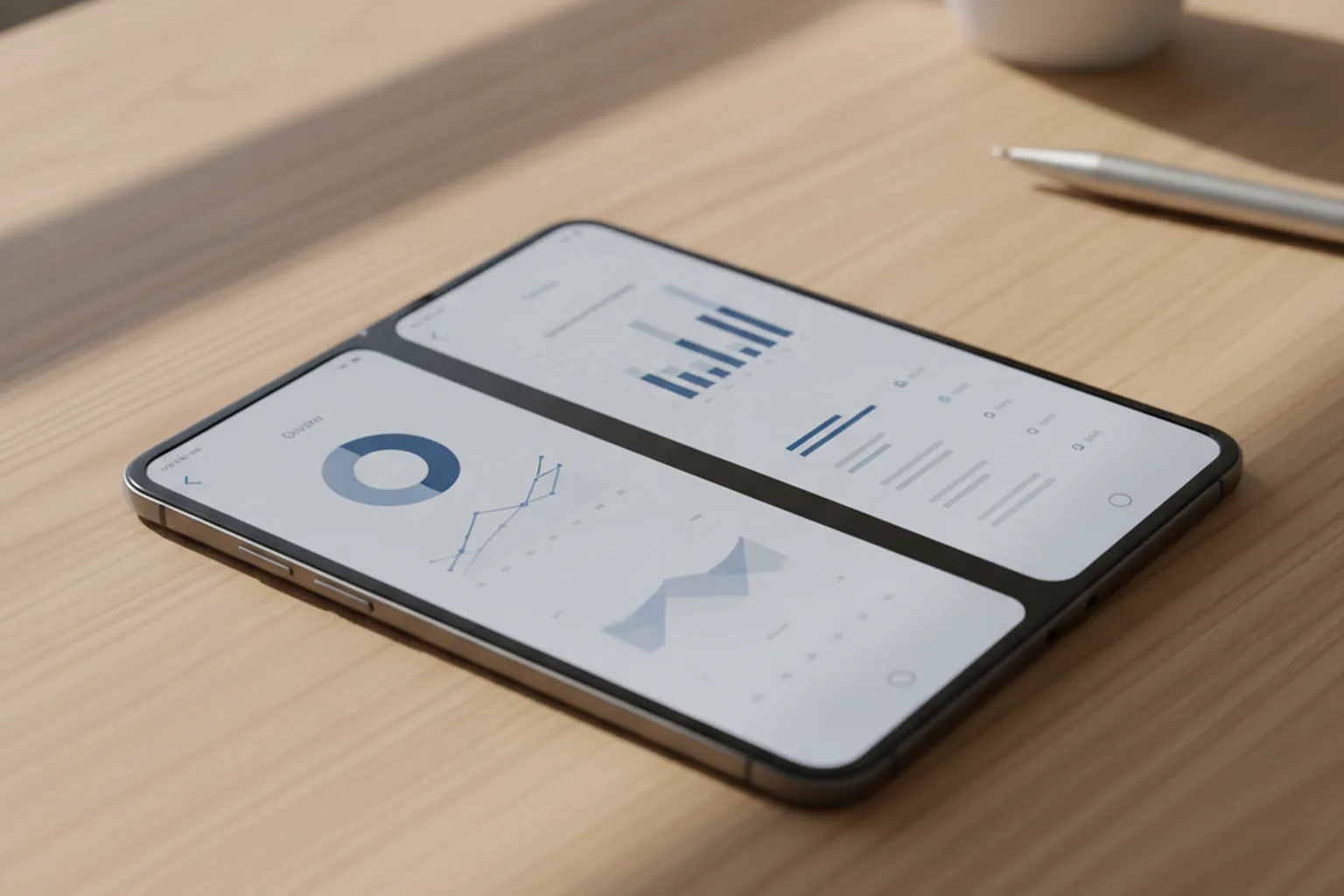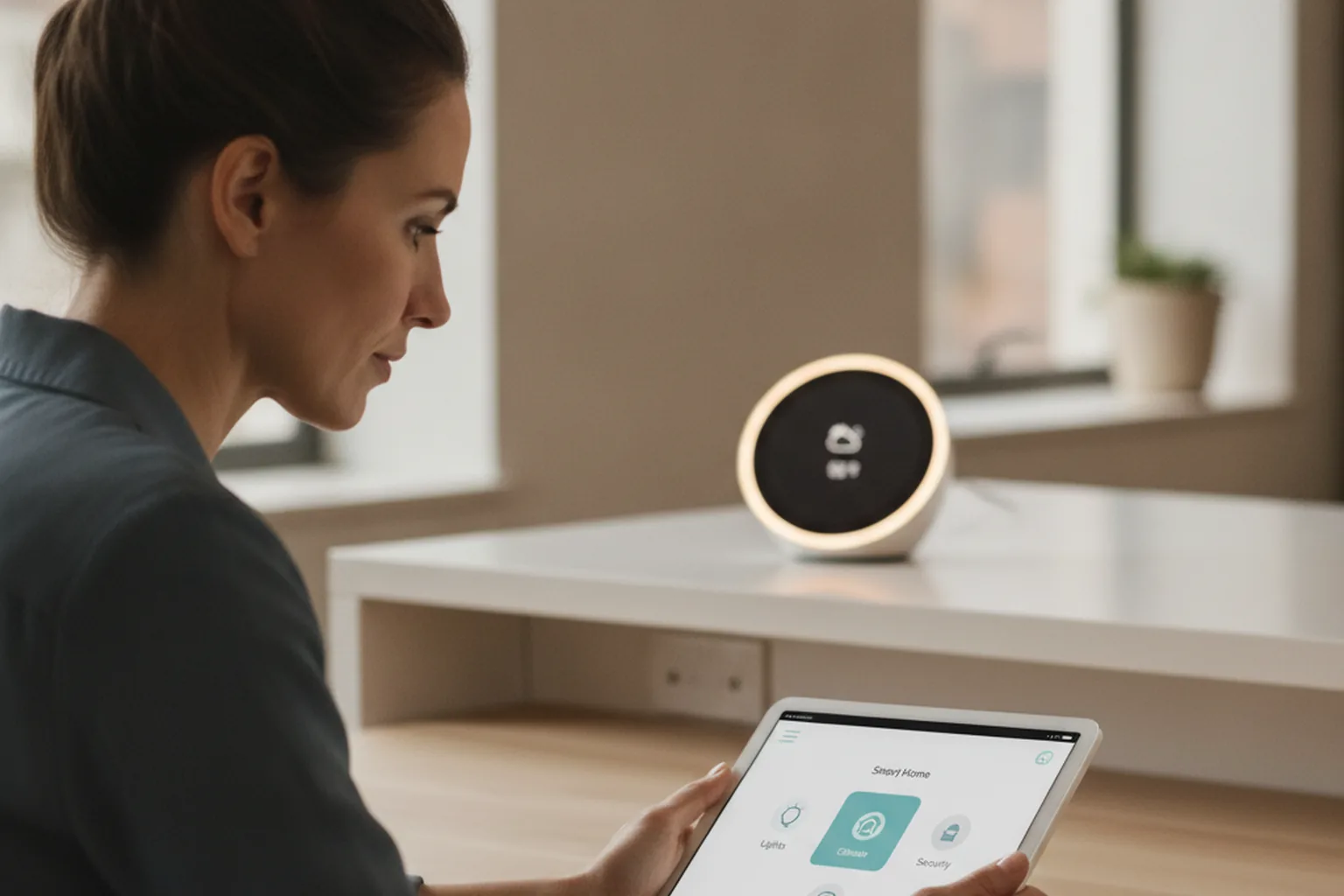
Apple's new smart-home display, HomeView, ships today, November 13, 2026, alongside the fourth-generation Apple TV 4K. The $299 device sits on a tabletop or mounts to a wall, and bundles Siri AI, FaceTime calling, recipes, a shared household calendar and music into one first-party hub for managing the home.
For small businesses, a brand-new first-party hardware and software surface from Apple is also a brand-new integration opportunity — and a brand-new way to waste months building the wrong thing. Property managers, senior-care providers, retailers and hospitality operators are exactly the kind of businesses that already build dashboards and kiosk apps around smart-home hardware, and HomeView hands them a fresh target. The risk is the one every new platform creates: a wave of "me too" apps shipped before anyone confirms a single customer actually wants one.
Before committing engineering time to a full HomeView app, the more reliable move is proving the idea first. That's exactly the kind of work scoped MVP development services are built for — pick one use case, build the thinnest version that tests it, and put it in front of real users before investing in anything bigger.
What Happened
According to Apple's official announcement, HomeView is designed to live in a shared space — a kitchen counter, hallway table or wall — and give a household one screen for entertainment and home management: Siri AI for voice control, FaceTime calling, a shared calendar, recipes and music, plus controls for connected smart-home accessories. It starts at $299 and ships today alongside the fourth-generation Apple TV 4K.
MacRumors corroborated the launch date and pricing ahead of release, confirming both products ship the same day and flagging one detail worth noting for any business with European customers: HomeView isn't sold in the EU at launch, because Siri AI isn't yet available on iOS there.
Why It Matters for Business Apps
HomeView is a new first-party surface third-party developers can build around, similar to how HomeKit and the first Apple Watch opened app categories that didn't exist before. A tabletop display built for a shared household space maps naturally onto a handful of recurring business needs: a smart-home dashboard a property manager hands to tenants, a monitoring display a senior-care service installs in a resident's room, or a showroom kiosk a retailer uses to demo connected products.
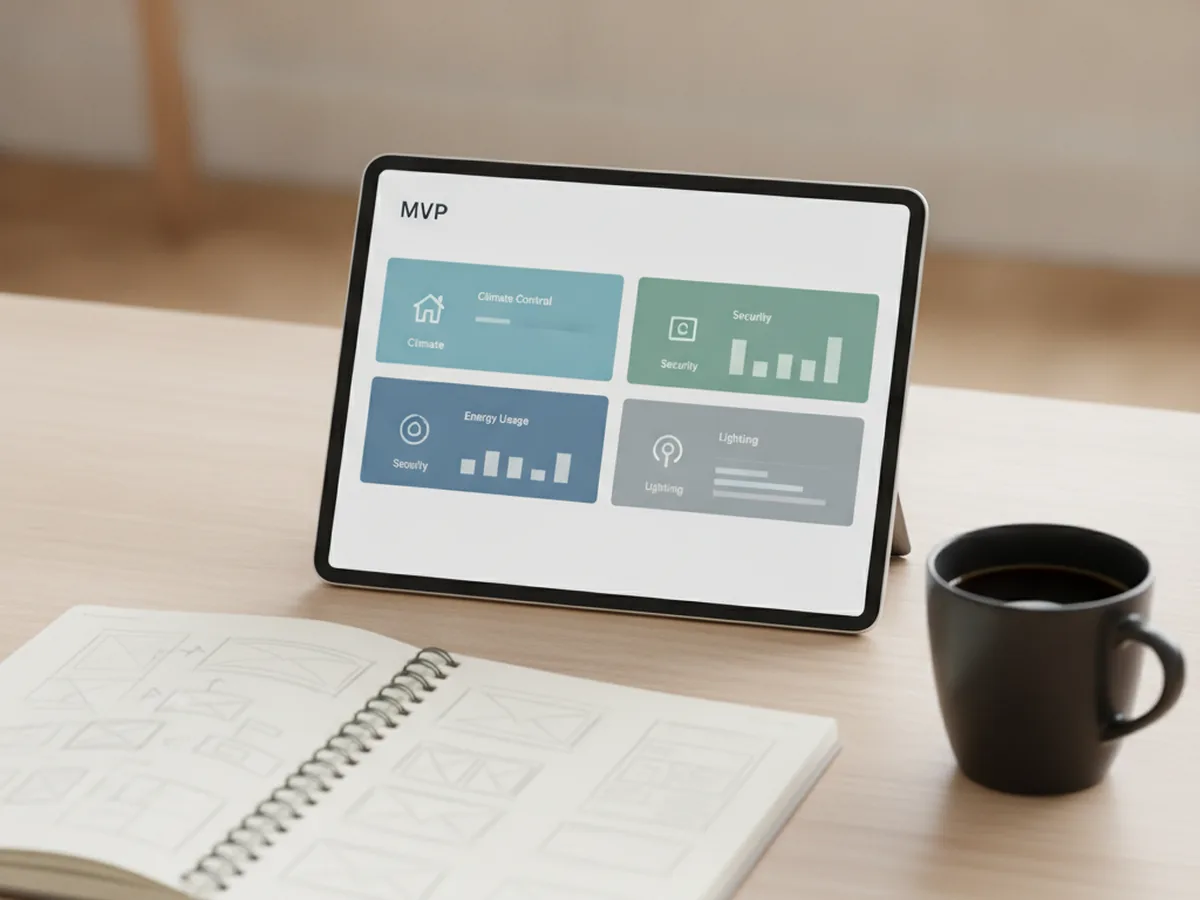
The catch is that nobody yet knows which of these ideas households and businesses will actually pay to use. A platform is a day old; usage patterns, API limits and real demand are all still unknowns. That uncertainty is precisely why jumping straight to a full build is the expensive way to find out.
Don't Build the Full App First — Validate With an MVP
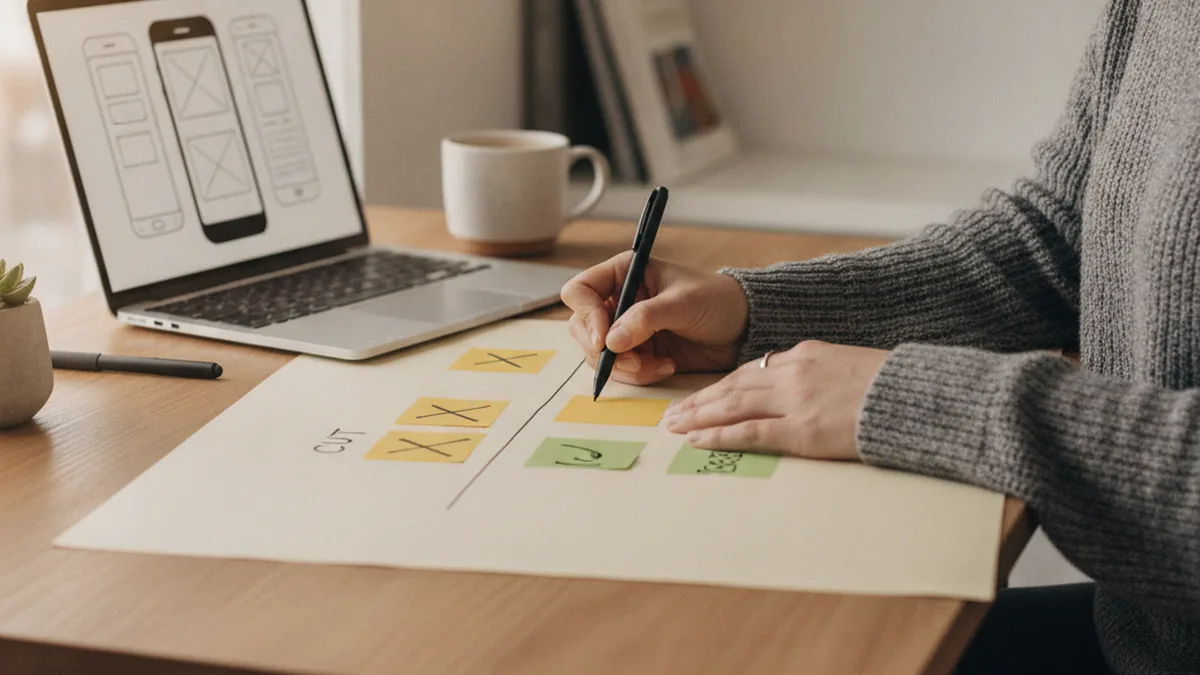
A new Apple platform tends to produce two kinds of businesses: the ones that spend a quarter building a full app around a guess, and the ones that spend two or three weeks proving the guess first. The second group wastes less money. A practical way to do it:
- Pick one HomeView-specific use case — not a general "smart-home app," but a single, specific job, like a dashboard tenants check for building alerts or a status screen a care facility uses for one resident.
- Build the thinnest version that proves it — a single dashboard screen rather than a full control suite, with just enough functionality to show whether the idea solves the problem.
- Test it with 5-10 real target users before committing to broader development — actual tenants, actual care staff, actual store employees, not internal guesses about what they'll want.
What to Watch Next
Two things are worth tracking over the next few weeks. First, the EU gap: HomeView isn't available there at launch because Siri AI hasn't rolled out to iOS in the region, so any business planning to serve European customers through the platform needs to treat that as a current constraint, not a rumor. Second, Apple's App Store Awards finalists are expected around November 19 — worth a glance for which new apps and categories Apple is already highlighting, as an early read on where it sees developer attention heading next.
HomeView is brand new, and nobody — including Apple — fully knows yet which third-party use cases will stick. For a small business eyeing the opportunity, that's a reason to test cheaply before building big, not a reason to wait on the sidelines.
This article is for informational purposes only and does not replace professional advice. Found an error? Let the editors know via the contact page.