Apple opened preorders for the iPhone Duo, its first foldable phone, on October 16, 2026 — and sold through its initial online delivery allocation in roughly 15 to 30 minutes. Shipping estimates that started the morning promising delivery around the October 23 launch date jumped almost immediately to late January 2027, the furthest an iPhone preorder has ever slipped before a single unit reached a store shelf.
Apple itself called the response "nothing short of extraordinary," a line Bloomberg quoted the same day the shipping windows moved, and AppleInsider confirmed the January 2027 dates had settled across every model and finish by the end of the day.
There's a second story buried in that sellout, and it has nothing to do with whether you personally want one. The iPhone Duo's inner display folds open into a shape no iPhone app has ever had to handle, and any business running its own iOS app now has a new screen format to account for — which is exactly the kind of review YuSMP Group's iOS development team does before a customer ever opens the app on day one.
What Actually Happened
Preorders opened at the usual early-morning slot on October 16. Within half an hour, the first delivery window — the one that would have put a phone in hands on launch day, October 23 — was gone. Buyers who kept the order page open watched estimated delivery dates climb in real time, settling by that afternoon at roughly January 25, 2027 for every configuration, according to both Bloomberg and AppleInsider.
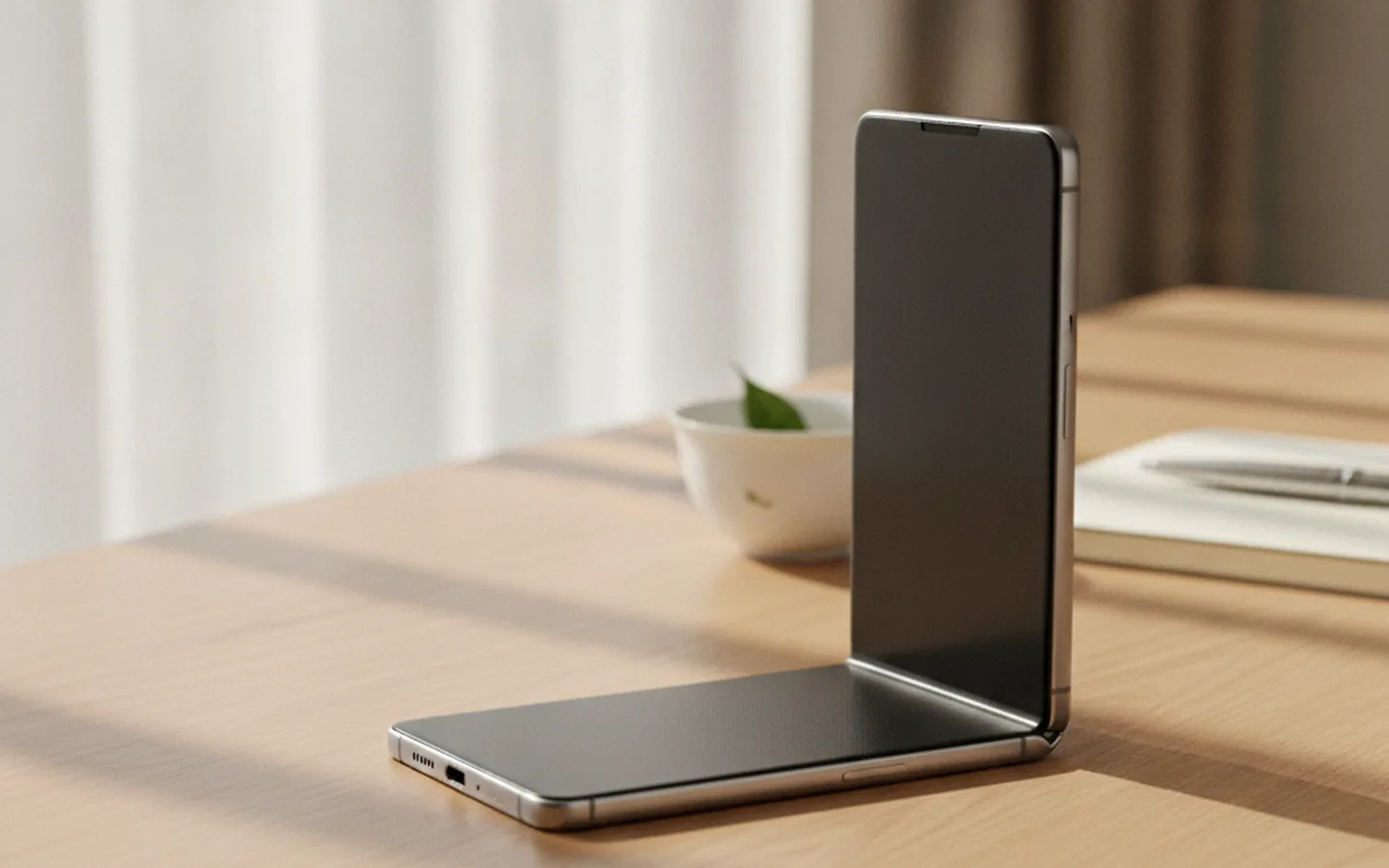
The phone itself goes on sale October 23, 2026 in about 70 countries and regions, starting at $1,999 for a titanium, book-style design with a 7.6-inch inner display, an A20 Pro chip, and Touch ID instead of Face ID. Anyone who preorders now, though, isn't buying a launch-day phone — they're buying a reservation for late January.
Why the Wait Is So Long This Time
A three-month slip is unusual even for a hot new iPhone. The honest explanation is a supply one: this is a first-generation foldable, and the hinge and folding-display components behind the book-style design are a far more constrained supply chain than the flat-glass screens Apple has built for over a decade. Demand outran that supply almost instantly, and Apple's estimates reflect it rather than paper over it.
Should You Still Buy It? A Budget Take
For a household watching its budget, $1,999 is a serious number before a case, AppleCare, or a second device for a partner or teenager. A first-generation foldable is also, by definition, the version with the least field-tested hinge and the version most likely to see a price drop or a stronger sequel within a year or two.
That doesn't make the iPhone Duo a bad phone — early reviews point to a genuinely well-built device. It does mean that for most families this is a want, not a need, and the wait is a reasonable moment to ask whether the money is better spent elsewhere this winter, or saved toward a second-generation model.
If Your Business Runs an App, the Foldable Form Factor Is Already Your Problem
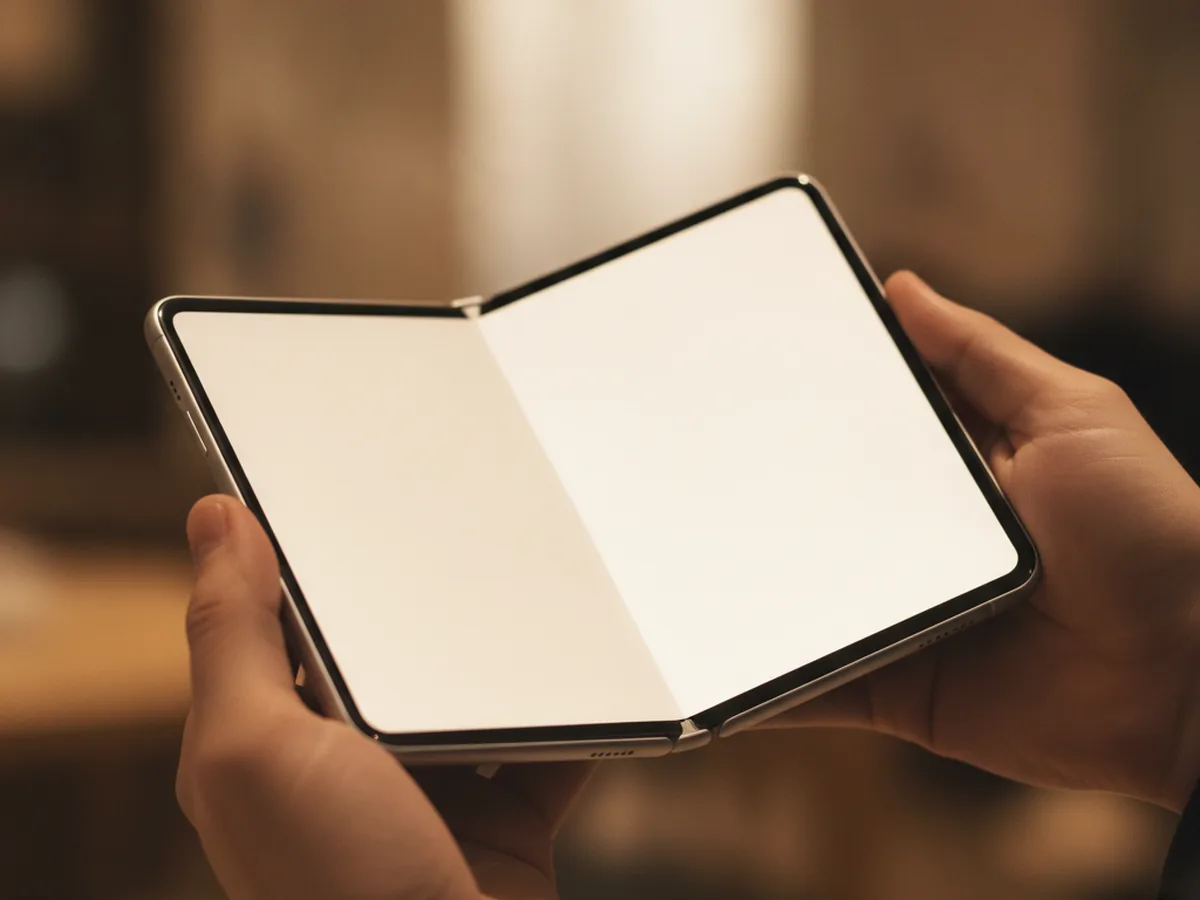
Here's the part that has nothing to do with whether you personally buy one. The iPhone Duo's inner display isn't just bigger — it's a different aspect ratio, with new multitasking "poses" for half-open and fully unfolded use that no previous iPhone app layout was designed around. An app that simply stretches its existing portrait layout to fill that space will look broken the first time an early-adopter customer opens it, whether that customer is a patient, a shopper, or a field technician.
Apple's own developer tools already account for this: Xcode 27.1 ships simulator support for the new device and its folding poses, so a team can test and fix layout issues months before a single physical unit arrives. That's the kind of review YuSMP Group's iOS development team runs for clients whenever a new Apple form factor lands — checking fixed-ratio assumptions, multitasking behavior, and edge cases against the simulator now, rather than reacting to complaints after the first units ship in January.
What to Check Before the First Units Ship
You don't need to own an iPhone Duo to get ahead of this:
- Open your app's layout in the Xcode 27.1 simulator at the new foldable aspect ratio and look for stretched or misaligned elements.
- Review any screen that assumes a fixed portrait width — forms, tables, and media players are the usual culprits.
- Flag features that behave oddly in an unfolded, landscape multitasking view.
- Decide now, not in January, who owns the fix if support tickets arrive after launch.
FAQ
When does the iPhone Duo actually ship if I order today?
Around late January 2027, per Apple's own current delivery estimates — not the October 23 launch date most buyers expected.
Do I need a foldable phone to test my app for it?
No. Xcode 27.1's simulator supports the new foldable poses and orientations, so you can test layout and multitasking behavior without owning a physical unit.
Is the iPhone Duo worth the wait for an average household?
Probably not for most families. It's a first-generation, $1,999 premium device, not an everyday upgrade — waiting for a price drop or a second generation is the more budget-friendly call.
This article is for informational purposes only and does not replace professional advice. Found an error? Let the editors know via the contact page.