Google's Registered App Stores program opens for enrollment now, with the first installs going live on December 1, 2026. The program lets third-party Android app stores apply for a "Registered App Store" status, available on devices running Android 17 QPR2 or newer. Participation is entirely voluntary — for both Google and the app stores that apply — and nothing about it changes how apps are installed from Google Play itself.
The program is the latest step in a broader shift toward a more open Android distribution model that began with Google's March 2026 antitrust settlement with Epic Games, which also brought Play Store commissions down to a flat 20%. Registered App Stores goes further: instead of just lowering what Google charges inside its own store, it changes what's technically possible for stores outside it.
For most readers that's a Big Tech process story and nothing more. But if your business ships an Android app through more than just Google Play — a corporate app catalog, a regional store, an industry-specific marketplace — it's a good prompt to check whether your current build and signing setup is ready for how "registered" stores will be allowed to install and update apps going forward. If a quick audit turns up gaps, it's worth looping in YuSMP Group's Android development team, since build and signing requirements for sideloaded distribution don't always match what a Play Store-only release needs.
What is Google's Registered App Stores program?
At its core, it's a new status Google grants to third-party Android app stores that meet a specific set of requirements. A store that becomes "registered" gets to install and update apps the same way Google Play does today: a single tap to install, with no extra confirmation screens, and updates that happen silently in the background instead of prompting the user each time. Right now, sideloaded apps — anything installed outside Google Play — go through extra warning screens and don't auto-update quietly. Registered status removes both of those points of friction, but only for stores that apply and qualify, and only on devices that have already updated to Android 17 QPR2 or later.
Why Google is doing this now
The program traces back to that same Epic Games settlement, which forced a series of changes to how Android handles app distribution outside Google Play. Rather than leave every third-party store with the installation friction that's been baked into Android for years, Registered App Stores lets qualifying stores get installation and update behavior close to parity with Google Play itself.
What changes for users and app stores
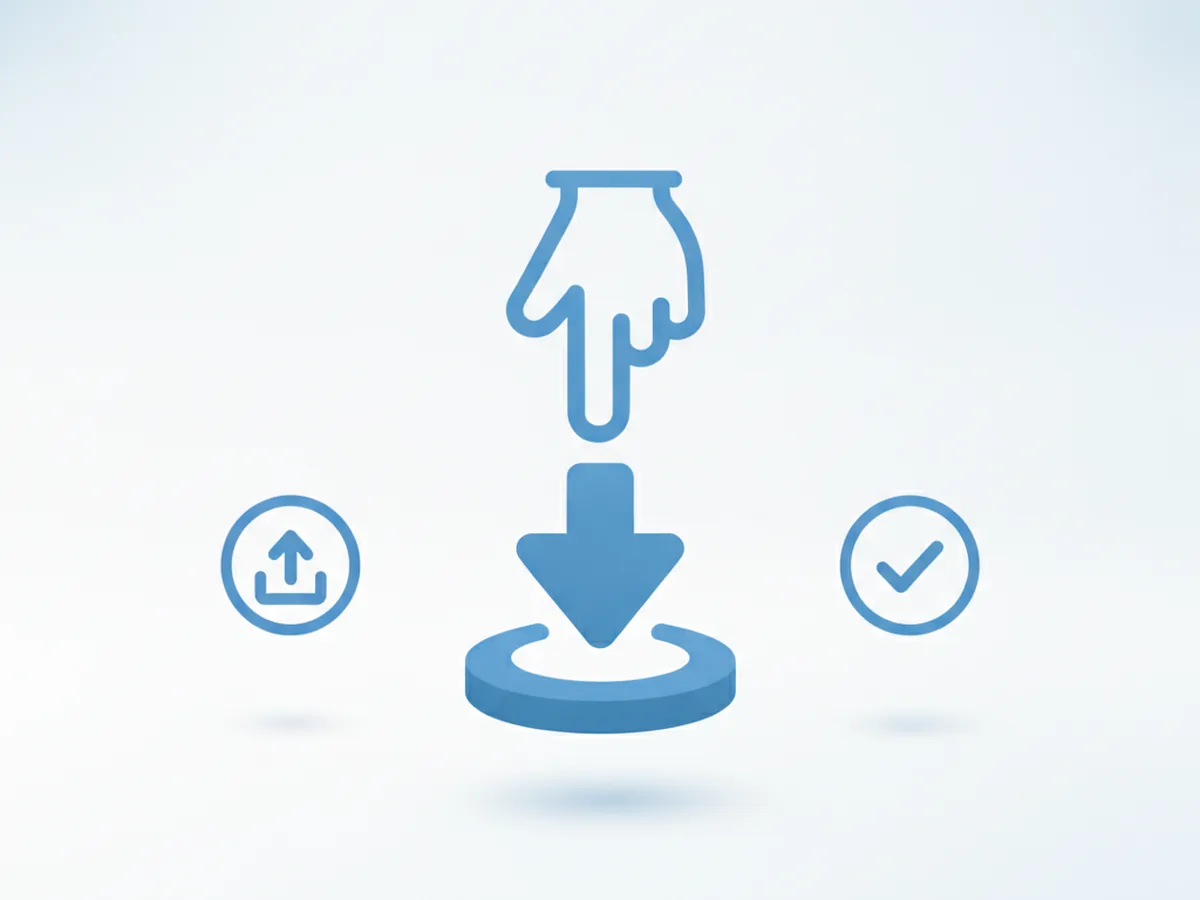
For users on a qualifying device, installing from a registered store looks and feels like installing from Google Play: one tap, no extra warning dialog, and updates that apply automatically in the background. For app stores, getting there isn't automatic. Google requires registered stores to publish a privacy policy, pass security reviews, and keep illegal content off their platform — and registration costs $10,000 a year. The program is also launching outside the US and parts of Europe first; a US rollout is expected later, contingent on court approval tied to the underlying settlement.
What it means for your business's Android app
If your Android app is distributed only through Google Play, this doesn't touch you directly — nothing changes about how it installs or updates. But if your business also distributes through a corporate app catalog, an enterprise store, or a regional marketplace, check in with whoever manages that channel about whether they plan to register. If they do, your app could start installing with Play Store-level ease on supported devices — worth being ready for rather than discovering after the fact.
What should small businesses do right now?
There's no reason to treat this as urgent unless you already rely on third-party Android distribution. A few practical steps are enough for most businesses:
- Don't panic — this targets app stores, not individual developers. The $10,000 registration fee and security review apply to the stores themselves, not to businesses that simply publish an app.
- Check whether any store you distribute through plans to register. If you use a corporate catalog or regional marketplace beyond Google Play, ask whether registration is on their roadmap.
- Confirm your APK build and signing setup is current. Sideloaded and multi-store distribution can carry different packaging requirements than a Play Store-only release.
- Watch for the US rollout. The program currently excludes the US and parts of Europe; expansion timing depends on a separate court approval.
A short technical review is usually enough to confirm your app is ready either way — and it's a lot cheaper than finding out mid-launch that your current build doesn't fit a store's new installation requirements.
FAQ
Does this affect apps distributed only through Google Play?
Not directly. The Registered App Store program governs how third-party app stores can install and update apps on Android. If your app is only distributed through Google Play, nothing changes about how it's installed or updated.
When will this be available in the US?
Not at launch. The program starts outside the US (and parts of Europe) on December 1, 2026, with a US rollout expected later, pending court approval tied to the underlying Google-Epic settlement.
Who should I ask about making sure my Android app is ready for these changes?
A development team that keeps up with Android distribution changes as they roll out, rather than reacting to them after the fact, since build and signing requirements for sideloaded distribution can differ from what a Play Store-only release needs.
Sources: Android Developers, Android Authority. This article is for informational purposes only and does not replace professional advice. Found an error? Let the editors know via the contact page.